What AccessCNY Staff Wish More People Knew about Autism Spectrum Disorder
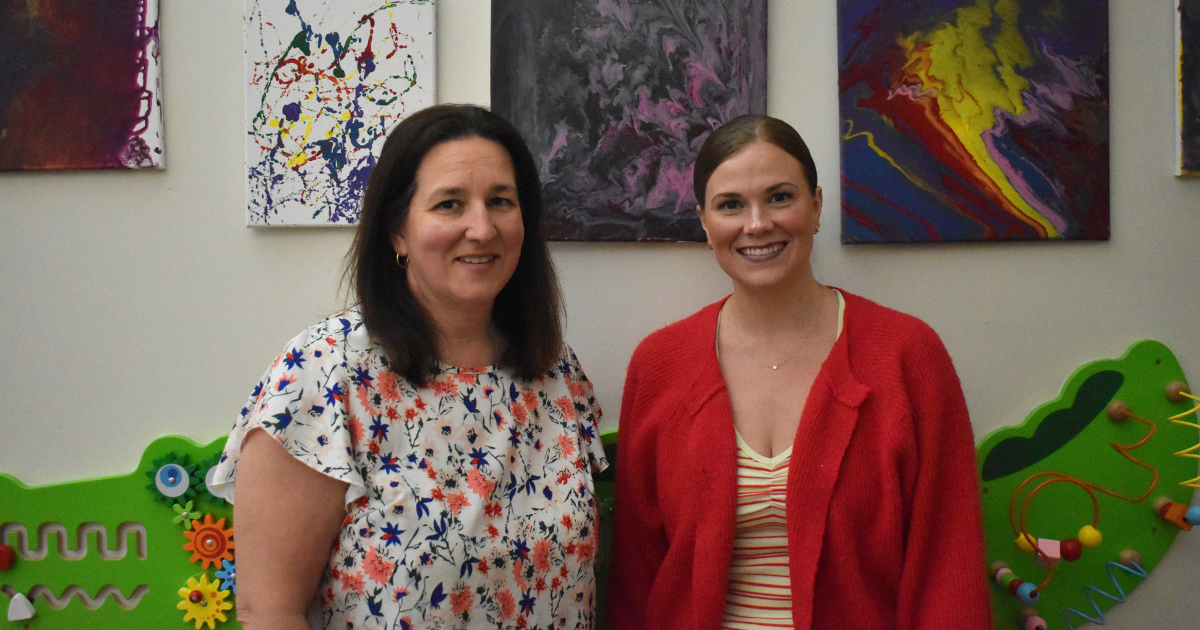
April is Autism Awareness Month. At AccessCNY, our ABA team (ABA = Applied Behavior Analysis) bring a compassionate work ethic to their work with participants each and everyday, ensuring individuals are successful. This month, AccessCNY Communications Coordinator, Hannah Potter, sat down with two of the agency’s Licensed Behavior Analysts to learn more about what they see on a day-to-day basis working with participants. Hannah asked a simple but transformative question: “What do you wish more people knew about autism?” The question sparked a passionate conversation about the importance of person-centered care, de-stigmatization, and recognizing the unique journey of every individual we serve. Read on to hear their answers.
“Autism is one of the most beautifully diverse diagnoses I work with. As the saying goes, ‘When you meet one person with autism, you meet one person with autism.’ While these individuals may share certain characteristics, autism presents differently in every single person. Every individual I support shows their own strengths, challenges, quirks, humor, and ways of seeing the world — and that uniqueness is exactly what makes them incredible.”
“Yes, many of our clients face real challenges. But every single one of them also brings joy, personality, and authenticity into our clinic and their homes. We adore them for who they are, not for who society expects them to be.”
“At the same time, autism is not always sunshine and rainbows — and acknowledging that truth is part of respecting autistic individuals and the families who support them. Some individuals experience profound struggles that can deeply impact daily life. This can include aggression toward others, property destruction, or high levels of self-injurious behavior that can be frightening, dangerous, and emotionally overwhelming for families. In some cases, the intensity of these behaviors leads families to consider residential placement because safety becomes a constant, exhausting concern. These realities deserve to be seen and understood with the same honesty and compassion as the strengths.”
“One of the hardest parts of this work isn’t the individuals themselves — it’s the societal expectations, assumptions, and limitations placed on them. I wish more people could see what we see every day: autism is not a disease. It’s a different wiring of the brain. It does not make someone less human, less capable, or less worthy.”
“If you take anything from this, let it be this: see the person first. Always. If you want to support autistic individuals, start here: See them. Listen to them. Value them. Celebrate them. Not because of or in spite of their diagnosis — but because they are people with so much to offer.”
 Services
 Donate
 Careers